The Pasadena Homeowner’s Guide to Reliable HVAC in Hot Summer Weather
If you own a home in Pasadena, you do not need anyone to tell you what summer feels like. The heat settles in, the afternoon sun leans hard on the roof, and the air conditioner becomes less of a convenience and more of a daily necessity. That is not just a feeling. Pasadena’s climate normals show average highs around 89.1°F in HVAC contractor July and 91.3°F in August, with many days above 90°F in both months. July averages 15.4 days at or above 90°F, and August averages 19.4.
That pattern explains a lot about how cooling systems behave here. Equipment runs longer, small installation problems get exposed faster, and a unit that seemed “good enough” in spring can struggle when the real heat arrives. Reliable HVAC in Pasadena is not simply about buying a machine with a high efficiency rating. It is about having the right system, installed the right way, sized correctly for the house, and maintained with enough attention that it does not quit when everyone needs cooling at once.
Homeowners often focus on the box outside, but in practice, summer comfort is tied to a chain of decisions. Some happen when the system is purchased. Others happen during installation. Others come into view only after a few seasons, when uneven rooms, rising bills, or repeat service calls start to tell a story.
Why Pasadena summers expose weak HVAC systems
A cooling system can look perfectly fine on paper and still disappoint in a Pasadena summer. The reason is simple. Sustained heat is demanding. When a home sees frequent 90°F-plus days, the margin for error gets smaller. A unit that is slightly oversized, slightly undercharged, or connected to leaky ducts may still produce cool air, but it can waste energy, miss comfort targets, or wear out sooner than expected.
That is why installation quality matters so much. The Department of Energy and ENERGY STAR both emphasize that oversized systems, improper refrigerant charging, and leaky ducts can reduce efficiency, create comfort problems, and shorten equipment life. Those are not abstract technical issues. They are the reasons one house feels steady and quiet in August while another house has a system that cycles on and off, leaves bedrooms warm, and seems to need service every summer.
I have seen homeowners assume reliability is mostly about brand reputation. Brand matters some, but not as much as many people think. In real homes, sizing and installation quality are often the difference between a system that ages gracefully and one that becomes a constant frustration.
Reliability starts with proper sizing, not maximum size
A very common homeowner instinct is to think bigger means safer. If Pasadena gets hot, then a larger air conditioner should provide extra protection, right? In many cases, no.
ENERGY STAR warns that oversizing can shorten equipment life because of short-cycling. That means the system turns on, cools quickly, shuts off, then repeats the process best HVAC contractor more often than it should. A system that short-cycles may not run long enough to deliver the kind of even comfort most people expect, and the repeated starts can be hard on the equipment over time.
That is why correctly sized and matched equipment matters. The recommended approach is a load calculation based on the home, not a guess based on the old unit or the square footage alone. It sounds less dramatic than choosing the “most powerful” option, but it is far more important. A reliable Pasadena cooling system is usually one that fits the house closely and runs in a steady, controlled way during hot weather.
A homeowner may not see the calculation itself, but they should feel its results. Rooms should cool consistently. The system should not seem frantic. It should not blast cold air for a short burst and then leave pockets of the house lagging behind.
The quiet role of ductwork
Ducts are easy to ignore because they are often hidden, but they have an outsized effect on comfort and performance. ENERGY STAR stresses the value of a well-sealed duct system, and that advice lands especially well in a hot climate. If cooled air is lost through leaks before it reaches living spaces, the equipment has to work harder for the same result.
When homeowners say, “The system runs all the time, but this one room never gets comfortable,” the outdoor unit gets most of the blame. Sometimes the real issue is distribution. A good HVAC setup is not just a condenser and an air handler or furnace. It is the full path the air takes through the house.
That is one reason reliable cooling should be judged by lived experience, not just by the thermostat reading in one hallway. A Pasadena house can have a technically functioning AC and still feel uneven, noisy, or stubbornly warm in parts of the home if the duct system is not tight and balanced well.
When repair makes sense, and when it does not
Most homeowners do not mind a repair. They mind the third repair in two summers, or the service call that shows up right when the weather spikes. There is a point where fixing a unit becomes more expensive emotionally and financially than replacing it.
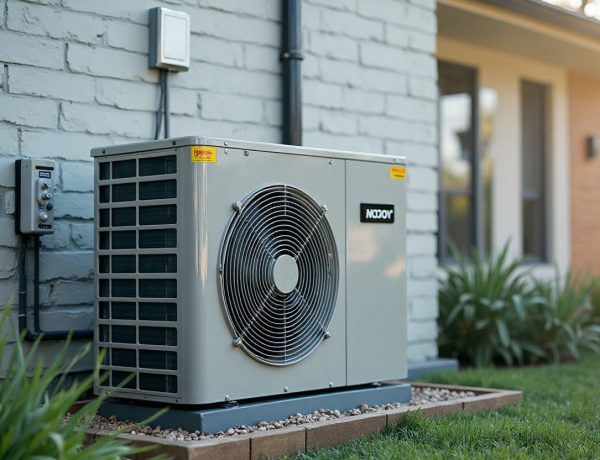
ENERGY STAR points to several signs that replacement may be the better move: equipment older than 10 years, frequent repairs, rising energy bills, or rooms that are too hot or too cold. None of those signs stands alone every time. A ten-year-old system that has been performing well may not need immediate replacement. On the other hand, a younger system that was poorly installed can become a headache much earlier.
What matters is the pattern. If the unit has become unreliable during the hottest part of the Pasadena summer, that pattern deserves attention. If bills are climbing without a clear explanation and comfort is getting worse, it is worth stepping back and asking whether you are paying repeatedly to preserve an underperforming setup.
A lot of homeowners wait for a total failure before making that call. That is understandable, but it often leads to rushed decisions in the middle of a hot spell, exactly when contractors are busy and emergency HVAC demand is high. Replacing a system on your own timeline usually allows for better planning, better questions, and less pressure.
The moments when emergency HVAC really matters
No homeowner wants to think about an HVAC breakdown during a Pasadena heat wave, but those are precisely the moments when planning pays off. Hot stretches put heavy demand on cooling systems across the area. If your unit fails during a run of 90°F-plus days, it is not only your house that needs help. Everyone else is calling too.
That is where emergency HVAC services become part of the reliability conversation. People often think of reliability as something you either have or do not have, but it is also about how quickly you can recover when something goes wrong. A trusted company that offers emergency HVAC support can reduce downtime, especially when the system quits after hours or on a weekend.
That does not mean every warm room is an emergency. It means homeowners should recognize the difference between a minor comfort issue and a complete cooling failure during severe summer heat. The practical value of emergency HVAC is not drama. It is response when the house suddenly cannot cool at all and waiting until next week is not realistic.
Here are a few situations where calling for emergency HVAC services is usually the sensible move:
- The system stops cooling entirely during a hot spell and indoor temperatures are climbing.
- The equipment turns on but cannot maintain anything close to the thermostat setting.
- The unit has a history of recent repair issues and fails again during peak summer weather.
- You are facing a total outage outside normal business hours and cannot reasonably wait.
- The home has already shown repeated warning signs, and the latest failure leaves you without dependable cooling.
Even then, emergency service works best when it is part of a broader plan. If a system has been limping along for two summers, the emergency visit may solve the immediate problem without solving the larger one.
Why installation quality often matters more than homeowners expect
A well-installed system can save up to 20% on heating and cooling costs, according to ENERGY STAR. That figure gets attention because everyone notices utility bills, but lower operating cost is only part of the story. Good installation also helps the system perform as intended and can reduce the risk of the kinds of problems that turn into summer service calls.
Improper charging is a good example. It sounds technical, and many homeowners never hear about it unless a technician brings it up, but ENERGY STAR notes that incorrect refrigerant charge can increase energy use and the risk of system failure. In other words, a system can be new and still underperform if the installation details were sloppy.
The same is true with matched equipment. A house benefits when the system components are selected to work together and are sized according to the home’s actual cooling needs. This is not the glamorous part of HVAC, but it is the part that tends to determine whether summer comfort feels smooth or frustrating.
I often tell homeowners to think of HVAC like a recipe where ratios matter. You can buy excellent ingredients and still ruin dinner if the measurements are off. With cooling systems, the consequences are not one bad meal. They are years of discomfort, excess energy use, and repeat repairs.
Heat pumps deserve a closer look in Pasadena
For years, many homeowners treated air conditioning and heating as two separate discussions. Increasingly, that line is less useful. The Department of Energy says modern air-source heat pumps can cool homes efficiently in summer and are an energy-efficient alternative to traditional AC and furnaces. ENERGY STAR also notes that a central air conditioner can often be replaced with a heat pump for a modest additional cost, and that this can allow a homeowner to eliminate or downsize a furnace.
In Pasadena, where summer cooling is a major concern, that matters. A homeowner evaluating replacement may not need to think only in terms of “another AC.” A heat pump may deserve serious consideration, especially if the goal is efficient cooling with a more updated overall system approach.
That does not automatically make a heat pump the right fit in every home. The important point is that it belongs on the shortlist, not on the fringe. Too many replacement decisions are made by copying the old setup rather than evaluating current options carefully.
The best conversations happen when homeowners ask how the proposed system will handle summer cooling demand, how it will be sized, and how the ductwork and installation details will be addressed. The equipment type matters, but not as much as the quality of the full design and installation.
What to ask before you replace a system
When a homeowner is tired of repairs, the temptation is to move fast and hope the new system ends the problem. Speed has its place, especially when cooling is down in peak heat, but a few good questions can prevent years of regret.
A solid replacement conversation should cover more than efficiency ratings and price. It should get into how the system is being selected and how the installation will be done. If those topics stay vague, that is worth noticing.
Before committing to a replacement, ask these questions:
- How will the system be sized for my home, rather than based only on the old unit?
- Are the proposed components matched correctly for the installation?
- Will the duct system be evaluated for leakage or performance issues?
- How will proper refrigerant charging be verified during installation?
- Is a heat pump a practical option for this home instead of a traditional AC replacement?
These are not trick questions. They are the basics of getting a dependable result. Homeowners do not need to become HVAC engineers, but they do need enough clarity to know whether a proposal is thoughtful or merely fast.
The hidden cost of waiting too long
There is a narrow path many homeowners try to walk. They want to avoid replacing equipment too early, which makes sense, but they also hope to squeeze one more summer out of a system that is already warning them. Sometimes that works. Often it turns into an expensive scramble.
The trouble with waiting in Pasadena is not just the chance of a breakdown. It is the timing of that breakdown. If the unit fails during a period when many homes are running cooling nonstop, scheduling gets tighter and decisions get rushed. You may end up choosing from what is immediately available rather than what is best for the house.
Waiting also has a way of normalizing poor performance. People adapt to the hot upstairs bedroom, the living room that never quite catches up, or the bill that keeps inching upward. Those become “just how the house is” until a well-designed replacement shows how different comfort can feel.
The better approach is to treat recurring discomfort and repeat repairs as data. They may not force immediate replacement, but they should trigger a more serious evaluation before the hottest weeks arrive.
Reliability is a system, not a single product
The homeowners who are happiest with their HVAC over time usually understand one basic truth: reliability is built, not bought. It comes from sizing, matched equipment, proper charging, sealed ducts, and installation quality. It is reinforced by paying attention when the system starts signaling that something is off. It is protected by having a plan if cooling fails during a hot spell and emergency HVAC services become necessary.
Pasadena’s summer weather makes shortcuts expensive. With average highs around 89.1°F in July and 91.3°F in August, and many days above 90°F, the region puts real stress on cooling systems. That is exactly why details matter more here. A system that is merely adequate on a mild day may be exposed quickly once the heat settles in.
If your current setup is older than 10 years, has needed frequent repairs, is driving higher energy bills, or still leaves parts of the house too hot or too cold, those are meaningful signs. And if you are replacing equipment, it is worth considering whether a modern air-source heat pump could deliver efficient summer cooling while improving the overall setup of the home.
Reliable HVAC in Pasadena is rarely about one dramatic decision. More often, it is about making several smart ones before the hottest afternoon of the year tests every weak point. When those decisions are handled well, summer becomes much simpler. The system runs the way it should, the house feels steady, and you spend less time worrying about whether today is the day the cooling gives out.